How the jhut trade works, why control of the factory gate changes hands when power changes in Dhaka, and what national media recorded from September 2024 to October 2026.
- violent incidents
- 8
- with gunfire
- 6
- children shot
- 2
Who controls the jhut trade, why reform has stalled, and the case for a Bangladesh Textile Waste Accord.
By Shamiul Hoque, Dhaka, Bangladesh
Guns, fires and politics at the factory gate, and what it means for the brands and recyclers who rely on Bangladesh’s textile waste. Every figure is sourced to national media reporting.
Part 1 of 3
How the jhut trade works, why control of the factory gate changes hands when power changes in Dhaka, and what national media recorded from September 2024 to October 2026.
Five fires at jhut godowns in Konabari, Gazipur in ten months, none with a published cause. Complaints that are never filed, and how Bangladesh compares with Indonesia, Vietnam, India, Pakistan and Cambodia.
Part 3 of 3
Political patrons, and insiders who decide which truck gets loaded. What this means for brands and recyclers as recycled content becomes a requirement, and four things a multi-stakeholder accord should deliver.
Who really runs Bangladesh’s jhut trade, why years of research never moved it, and the case for a Bangladesh Textile Waste Accord. Part 3 launched the white paper.
One of Bangladesh’s largest textile groups can’t get rid of its own waste: the brands have said where it should go and a compliant recycler is waiting, but someone else controls the gate.
Since 2021, study after study has agreed on the problem and on the fixes, yet very little has moved. Why, with a direct word to every brand selling clothes “made with recycled cotton” from Bangladesh.
Part 3 of 4
Between the factory gate and the handler’s warehouse, textile waste is marked up by 30% to 70% with no value added. The launch of the white paper and its proposal for a Bangladesh Textile Waste Accord.
Answers to the strongest objections to a Bangladesh Textile Waste Accord, and what brands, unions, Team Europe, government, industry and researchers should do next.
A call for a multi-stakeholder accord on Bangladesh’s textile waste sector
Shamiul Hoque, Muhammod Shaheen Chowdhury, Mamunur Raman, Patrick Schröder
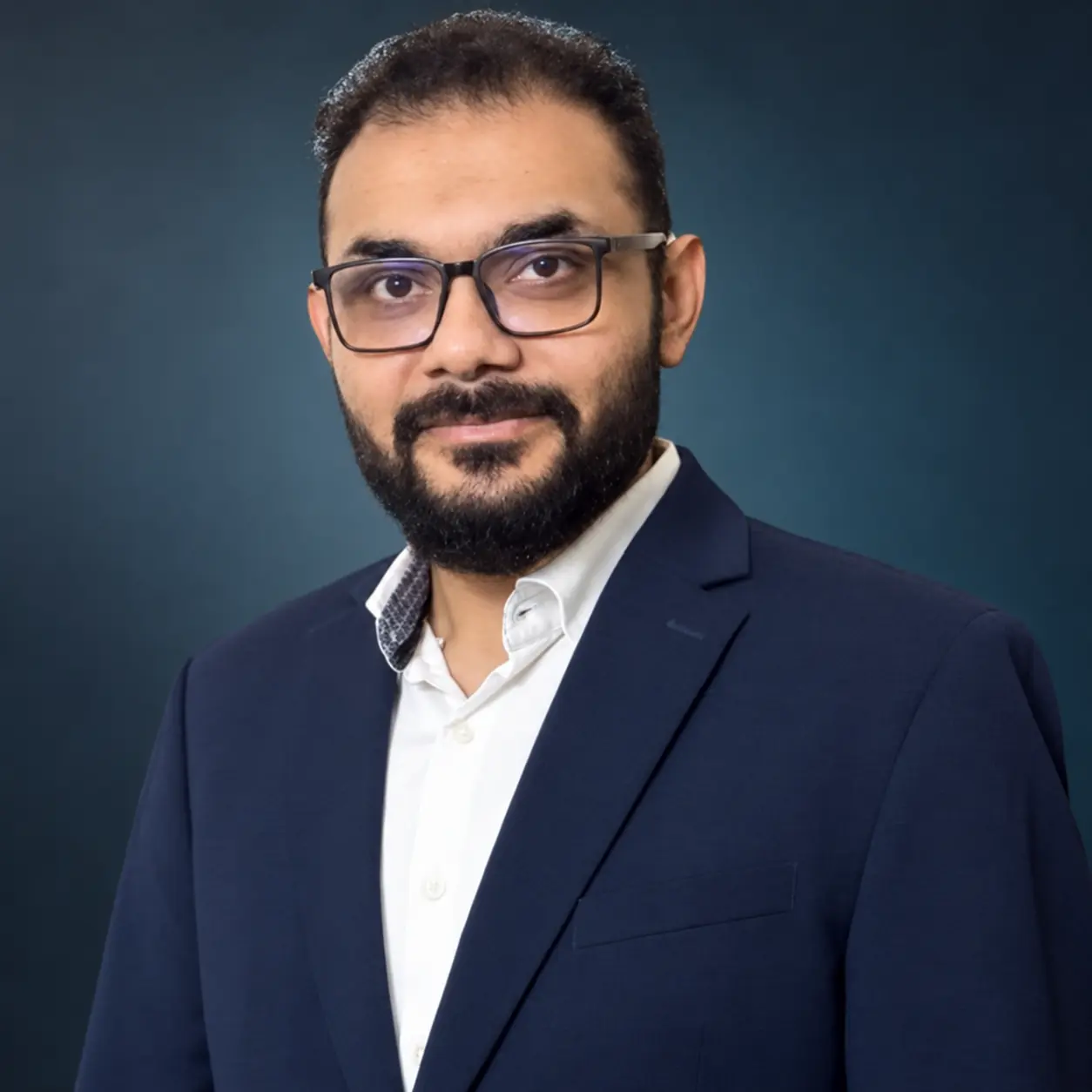
Shamiul Hoque is a sustainability and circular economy leader based in Dhaka, Bangladesh, with more than 24 years of experience across finance, textile sourcing, sustainability, traceability and circular economy programmes. He is Head of International Business Growth at Reverse Resources, Director of Sustainability Programs at SusNex and a guest lecturer at the University of Dhaka.
The articles are written in a personal capacity. The views, and any errors, are his own.