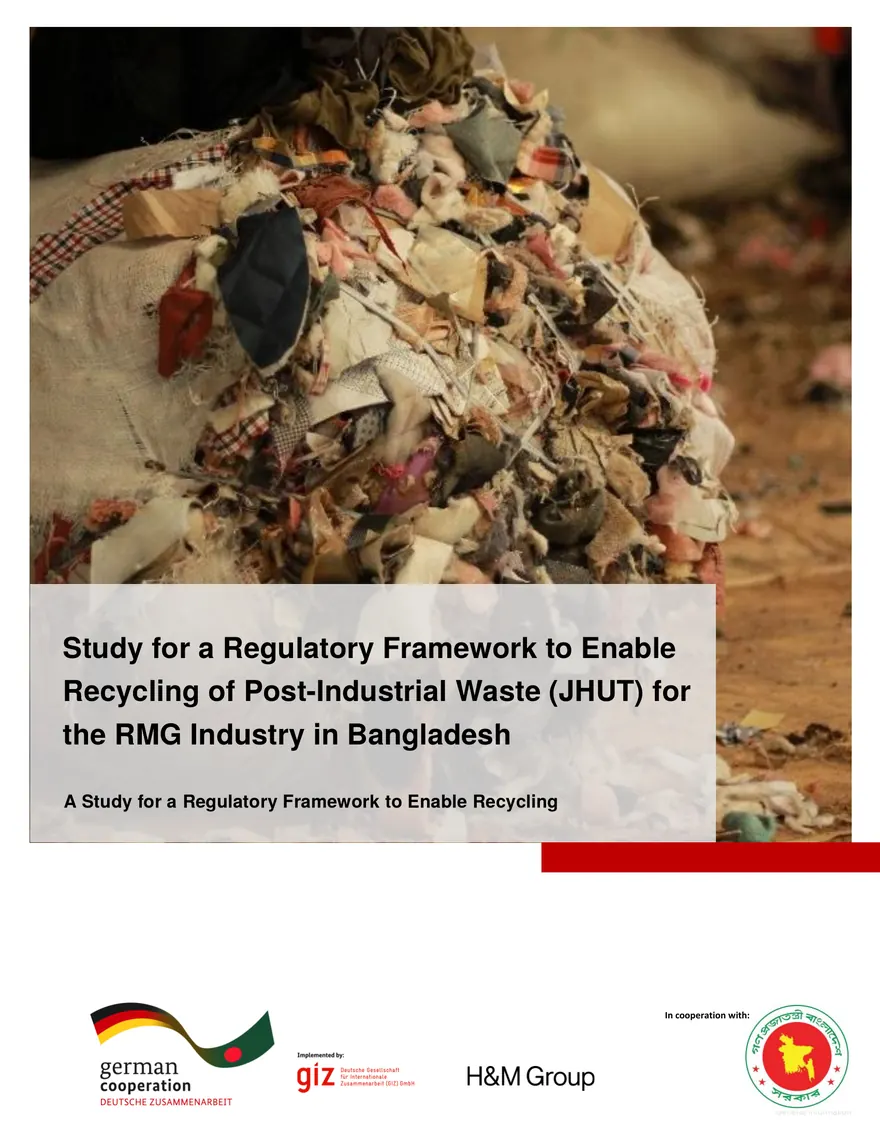
Study for a Regulatory Framework to Enable Recycling of Post-Industrial Waste (Jhut) for the RMG Industry in Bangladesh
By Shamiul Hoque, Muhammod Shaheen Chowdhury, Mamunur Raman and Patrick Schröder
In brief
Commissioned by GIZ and H&M on behalf of the German Federal Ministry for Economic Cooperation and Development (BMZ), the study maps Bangladesh’s largely informal Jhut economy through a survey of workers across Jhut clusters.
It reviews national law against regional practice and emerging EU circular-textile policy, and sets out reforms for a traceable, inclusive and higher-value recycling system.
- 330–500ktonnes of pre-consumer textile waste generated each yearEstimate given in the study
- US$4–5bnrecycled-textile export potential missed each year without a policy frameworkAs set out in the study
- 6policy recommendations to formalise the Jhut sectorListed below
The six policy recommendations
Improve data availability, transparency and traceability through a national Jhut database.
Introduce industry guidelines for Jhut management and recycling standards.
Implement changes to existing VAT and tariff rules for Jhut transactions.
Provide economic incentives to formalise Jhut collection, handling and sorting.
Establish a central depository system and cluster-based Jhut sorting hubs for decent work and social inclusion.
Improve the investment environment for state-of-the-art recycling technologies.
In the press
About the author
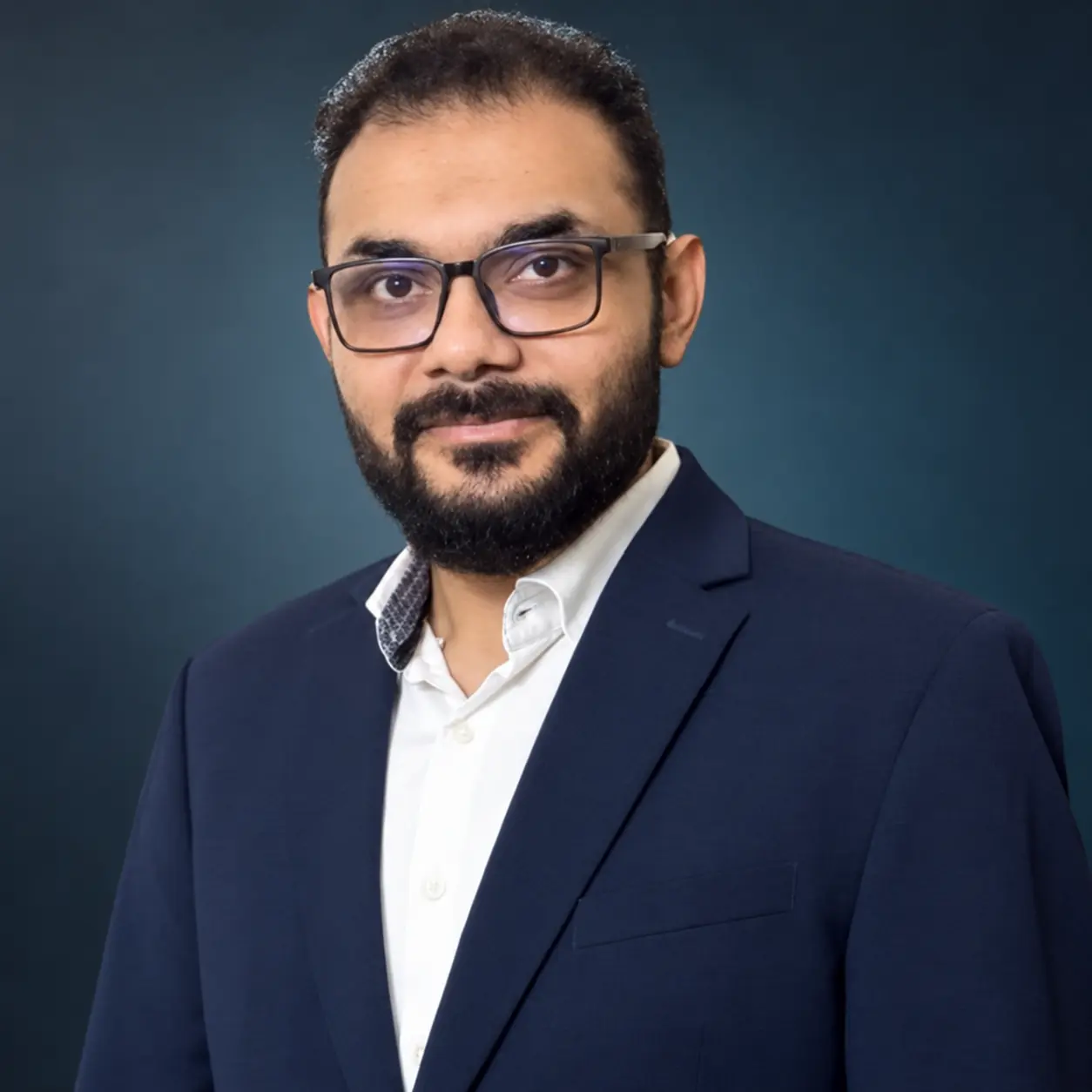
Shamiul Hoque is a sustainability and circular economy leader based in Dhaka, Bangladesh, with more than 24 years of experience across finance, textile sourcing, sustainability, traceability and circular economy programmes. He is Head of International Business Growth at Reverse Resources, Director of Sustainability Programs at SusNex and a guest lecturer at the University of Dhaka.
He works with brands, manufacturers, recyclers, industry bodies and development partners on material transparency and on moving post-industrial textile waste towards higher-value recycling.
Related publication
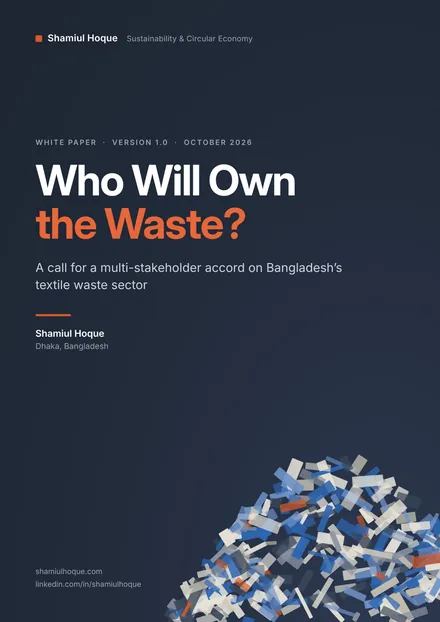
Who Will Own the Waste?
A call for a multi-stakeholder accord on Bangladesh’s textile waste sector